
Compassionate, Personalized Support for Every Step
Whether your goal is to reduce your use or stop entirely, our therapists provide a safe, non-judgmental space to explore the factors driving your substance use and develop healthier coping strategies. Through personalized, evidence-based therapy, we help you rebuild confidence, strengthen relationships, and take back control of your choices.
If you’re ready to take the first step, we’re here to help.

What can I expect from therapy?
- Develop a greater sense of control over your choices and build healthier ways to cope with stress and emotional triggers.
- Rebuild communication and trust with loved ones who may have been impacted along the way.
- Move from reactive decision-making to intentional, value-driven choices about how you want to live.
- Feel more confident navigating social situations where substances are present without feeling pressured or overwhelmed.
- Establish healthy boundaries and strengthen the relationships that matter most to you.
How do you approach treatment?
Our therapists draw on a range of evidence-based approaches tailored to your individual needs and goals. Treatment typically incorporates methods such as Cognitive Behavioral Therapy (CBT), motivational interviewing, and mindfulness-based strategies to help you understand your patterns, manage cravings, and build lasting change. Sessions are collaborative and flexible, adapting to your pace and progress.
Our Addiction and Substance Abuse Therapists

Lis Kessler Gibboney
- Anxiety & depression
- Life changes
- Codependency & relationships
- Addiction
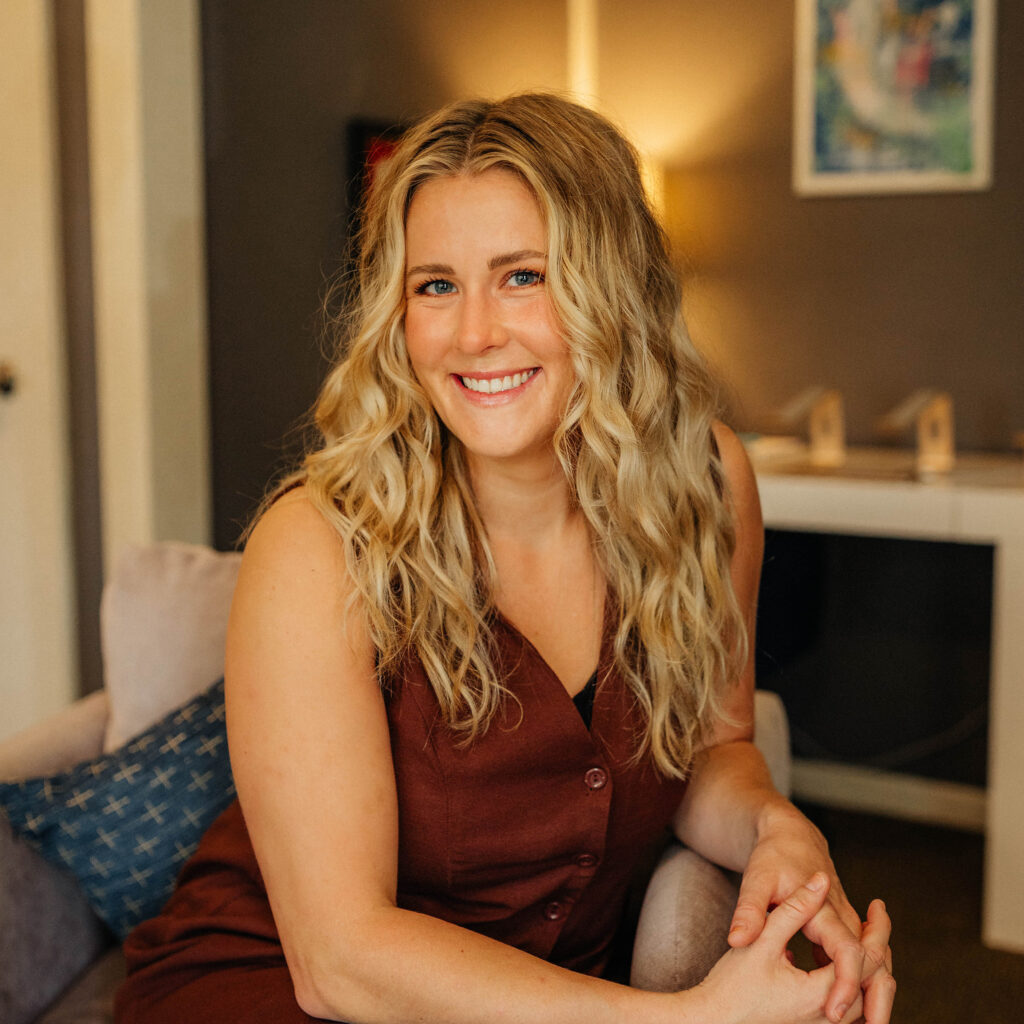
Natalie Brosius
- Eating disorders
- Addiction/addictive behaviors
- Trauma
- Interpersonal/relationship issues
Frequently Asked Questions
See below for some frequently asked questions about addiction and substance abuse therapy at Northside Mental Health.
Not at all. Many clients come to us simply because their substance use has begun to affect their relationships, work, or mental health. That’s reason enough. There’s no threshold you need to reach before seeking support.
It’s a form of psychotherapy designed to help you understand your relationship with substances, develop healthier coping mechanisms, and take back control of your life whether your goal is to reduce use or stop altogether.
If substance use is affecting your emotional health, relationships, or daily functioning, therapy can help. If you’re concerned, that’s a good enough reason to reach out.
Sessions are about 50 minutes and involve open conversation about your substance use, challenges, and goals. Your therapist may also suggest activities between sessions, like journaling or mindfulness exercises, to reinforce the strategies you’re working on together.
LCAC stands for Licensed Clinical Addictions Counselor. This is a state-issued license in Indiana indicating that a clinician has completed graduate-level coursework, accumulated supervised clinical hours focused on addiction counseling, and passed a licensing exam all specific to the treatment of substance use and addiction. While all therapists receive training and education on addressing addictions, clinicians with an LCAC have more extensive training and specialization in this area.
It varies. Some clients see meaningful progress in just a few sessions. Others benefit from several months of support. The process is flexible and tailored to your pace and goals.
Yes. Everything shared in therapy is kept strictly confidential. Information is only disclosed in legally required circumstances, such as concerns about harm to yourself or others, and your therapist will explain this fully at your first appointment.
When You're Ready, We're Here
Getting started is as simple as reaching out. Contact us to schedule your first appointment, and we’ll help connect you with the right therapist for what you’re going through.