
Not All Healing Happens Through Words
Sometimes what we’re carrying is hard to put into words, and that’s exactly where art therapy can help. Art therapy is a form of psychotherapy that uses the creative process as a tool for self-expression, exploration, and healing. It’s not about making beautiful art or having any prior experience. It’s about having a different kind of space to process what you’re going through. If traditional talk therapy hasn’t felt like quite the right fit, or you’re simply curious about a different approach, we’d love to talk.
If traditional talk therapy hasn’t felt like quite the right fit, or you’re simply curious about a different approach, we’d love to talk.
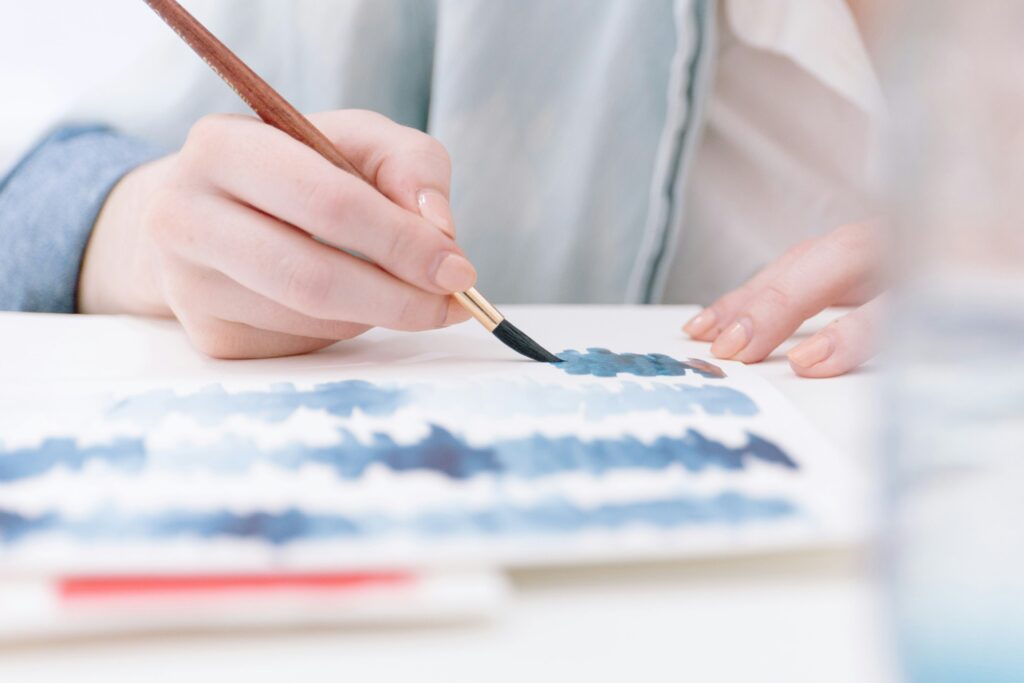
What can I expect from therapy?
- A creative, low-pressure space to explore emotions and experiences that feel difficult or maybe even impossible to put into words.
- Sessions that can blend art-making and conversation. You won’t be handed a canvas and left alone. Your therapist is an active, engaged partner throughout.
- Greater self-awareness and insight as you explore patterns, feelings, and experiences through a different lens.
- Practical tools for managing stress, anxiety, and overwhelming emotions that extend beyond the therapy room.
- A completely judgment-free experience. No artistic skill, background, or experience is needed or expected.
How do you approach treatment?
Art therapy at Northside integrates creative expression with talk therapy, meaning sessions are collaborative conversations that happen to also involve art-making. Your therapist will guide the process, and the balance between creating and talking will always be shaped around what feels most comfortable and useful for you. Materials might include drawing, painting, collage, or other media, and your therapist will work with you to find what resonates. Art therapy is appropriate for children, adolescents, and adults, and can be especially helpful for those working through trauma, grief, anxiety, depression, or major life transitions.
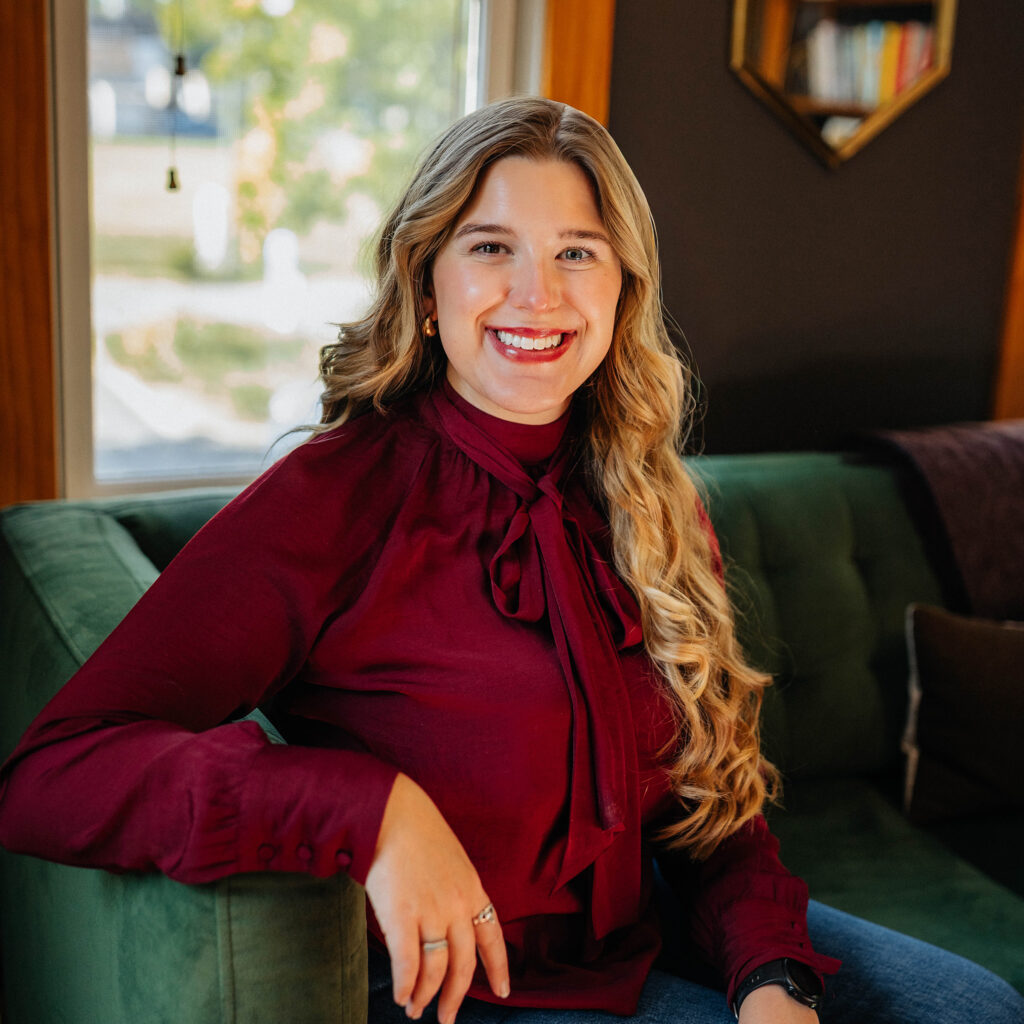
Our Art Therapist
Frequently Asked Questions
See below for some frequently asked questions about art therapy at Northside Mental Health.
Not at all. Art therapy is not about the quality of what you create. It’s about the process of creating it. Your therapist isn’t evaluating your artwork, and there are no right or wrong ways to engage. All you need to bring is a willingness to try.
No, this is a common misconception. Art therapy is effective for people of all ages, including teenagers and adults. Many adults find that working creatively helps them access and process things that are hard to reach through conversation alone.
Sessions typically blend art-making with conversation. Your therapist will engage with you throughout the process, not simply observe. The balance between talking and creating is flexible and shaped around what works best for you.
ATR stands for Art Therapist–Registered. This credential is awarded by the Art Therapy Credentials Board and indicates that a clinician has completed a master’s degree in art therapy, fulfilled supervised clinical hours in the field, and met the board’s professional standards for practice.
Art therapy can be helpful for a wide range of concerns including anxiety, depression, trauma, grief, life transitions, stress, and low self-esteem. It can be used as a standalone approach or alongside other therapeutic methods.
It’s okay to feel uncertain going in, most people do. Your therapist will guide you through the process, and there’s never any expectation that you dive in before you’re ready.
Yes. Everything that happens in your art therapy sessions, including anything you create, is kept strictly private. The only exceptions are legally required situations involving safety concerns, which your therapist will explain at your first appointment.
When You're Ready, We're Here
Getting started is as simple as reaching out. Contact us to schedule your first appointment, and we’ll help connect you with the right therapist for what you’re going through.