
Meeting Kids Where They’re At
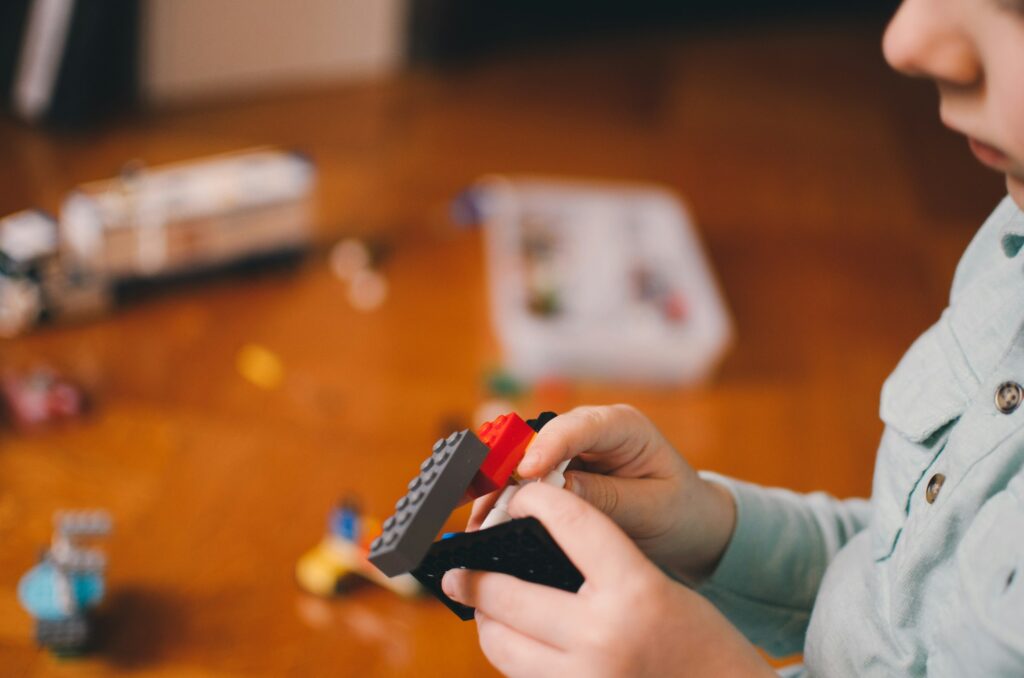
Children experience big emotions, confusing situations, and difficult transitions just like adults do. They just don’t always have the words to express them. Play therapy provides a developmentally appropriate space where children ages 3–12 can process what they’re going through in the way that comes most naturally to them: play!
If your child has been struggling and you’re not sure where to turn, we’re here to help.
What can I expect from therapy?
- A safe, welcoming environment where your child can express emotions and experiences they may not yet have the language to articulate.
- Gradual development of emotional regulation skills which can help your child better manage big feelings like anger, anxiety, and sadness.
- Improved behavior and social skills as your child builds confidence and learns healthier ways to respond to challenges.
- Support through difficult transitions such as divorce, grief, trauma, a new sibling, or changes at school.
- Ongoing communication with you as a parent or caregiver, so you always have a clear picture of your child’s progress.
How do you approach treatment?
Play therapy at Northside is child-led, meaning your child’s therapist follows their cues and uses play as the primary vehicle for healing and growth. We also believe strongly that parents and caregivers are essential partners in the process. That’s why family involvement and parenting coaching are woven into treatment from the start, helping you understand what your child is working through and giving you practical tools to support them at home. Sessions may include parent check-ins, family sessions, and coaching conversations tailored to your specific situation.
Our Play Therapist
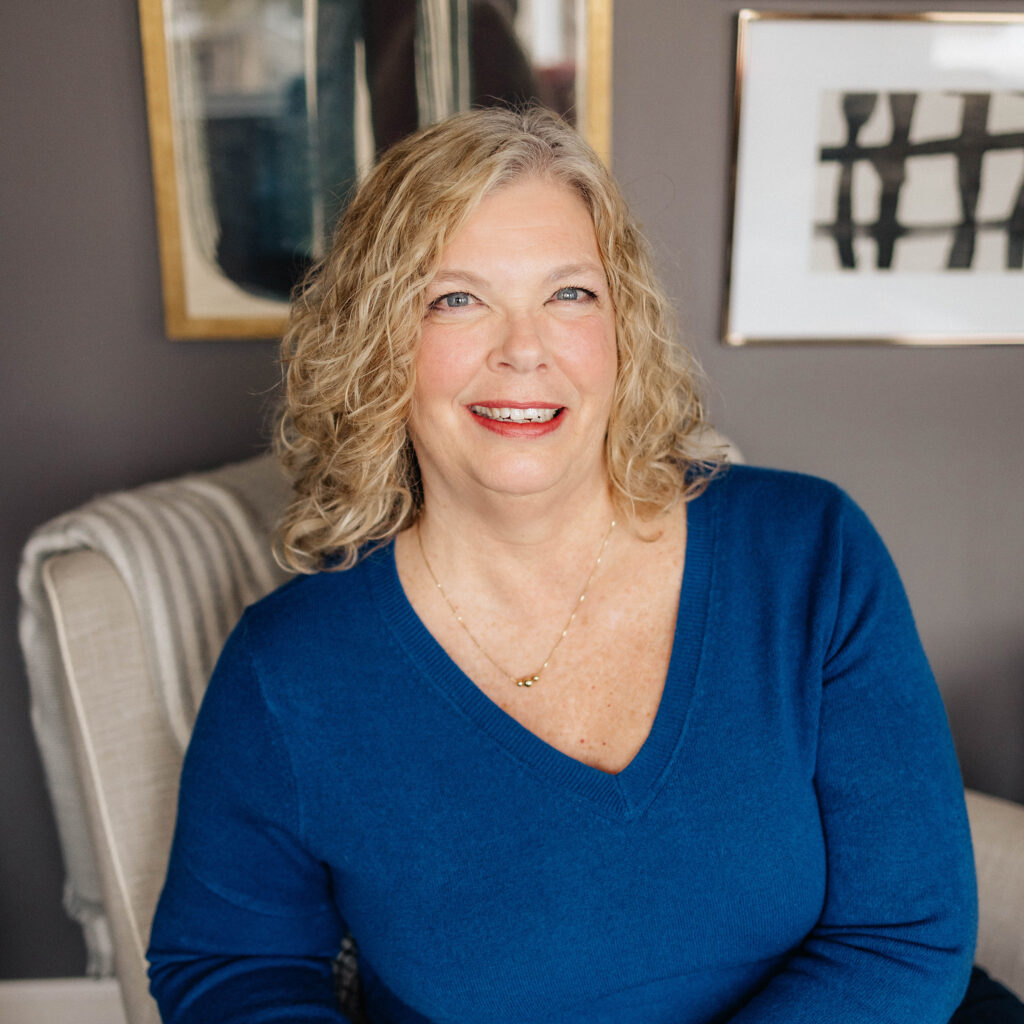
Ann Marie Ravenna
- Children age 3-12
- Adult life changes
- Grief & loss
- Family/parenting support
Frequently Asked Questions
See below for some frequently asked questions about play therapy at Northside Mental Health.
In play therapy, the therapist uses toys, art, games, and other creative materials to help children explore and process their emotions and experiences. Children naturally communicate through play, and a trained therapist knows how to observe and engage with that play in meaningful, therapeutic ways. It may look simple from the outside, but a lot of important work happens in the playroom.
Very involved. Family participation is a core part of how we work. Your therapist will check in with you regularly, share observations about your child’s progress, and provide coaching to help you reinforce the work being done in sessions at home. You won’t be left in the dark, and your role as a caregiver is valued every step of the way.
Play therapy can help children who are experiencing anxiety, depression, behavioral challenges, trauma, grief and loss, difficulty with transitions, social struggles, and more. If your child seems overwhelmed, withdrawn, or is acting out and you’re not sure why, a consultation with one of our therapists is a great place to start.
We offer play therapy for children ages 3–12. Therapeutic approaches are tailored to your child’s developmental stage, so what sessions look like for a 4-year-old will be quite different from what they look like for an 11-year-old.
Every child is different. Some children make significant progress in just a few months, while others benefit from longer-term support. Your therapist will keep you informed throughout the process and adjust the plan as your child grows and changes.
Yes, with some nuance. We maintain confidentiality to support the therapeutic relationship with your child, but because parents and caregivers are active partners in this process, your therapist will share relevant information with you on an ongoing basis. Full details will be explained at your first appointment.
When You're Ready, We're Here
Getting started is as simple as reaching out. Contact us to schedule your first appointment, and we’ll help connect you with the right therapist for what you’re going through.