
Compassionate Support for Depression and Mood Disorders
Depression and mood disorders can make even the most ordinary parts of life feel heavy, exhausting, or out of reach. Whether you’re experiencing persistent sadness, emotional numbness, irritability, or a loss of interest in things that used to matter to you, these are real and valid experiences that deserve support.
You don’t have to wait until things get worse to reach out, and you don’t have to navigate it alone.

What can I expect from therapy?
- Gain a clearer understanding of what’s driving your mood and how your thoughts, behaviors, and circumstances are connected.
- Develop practical tools for managing low mood, emotional swings, and the day-to-day weight of depression.
- Reconnect with a sense of purpose, motivation, and engagement in your own life.
- Build healthier patterns around sleep, relationships, self-care, and the things that tend to either support or undermine your mood.
- Work through any underlying experiences that may be contributing to how you’re feeling.
How do you approach treatment?
Treatment for depression and mood disorders at Northside centers on talk therapy, which gives you a consistent, supportive space to process what you’re going through and begin to make sense of it. Our therapists also draw upon evidence-based approaches such as Cognitive Behavioral Therapy (CBT) to help identify and shift unhelpful thinking patterns, and mindfulness-based strategies to support greater emotional awareness and regulation. Treatment is always tailored to you, and your therapist will work collaboratively with you to find the approach that fits best.
Our Depression & Mood Disorders Therapists
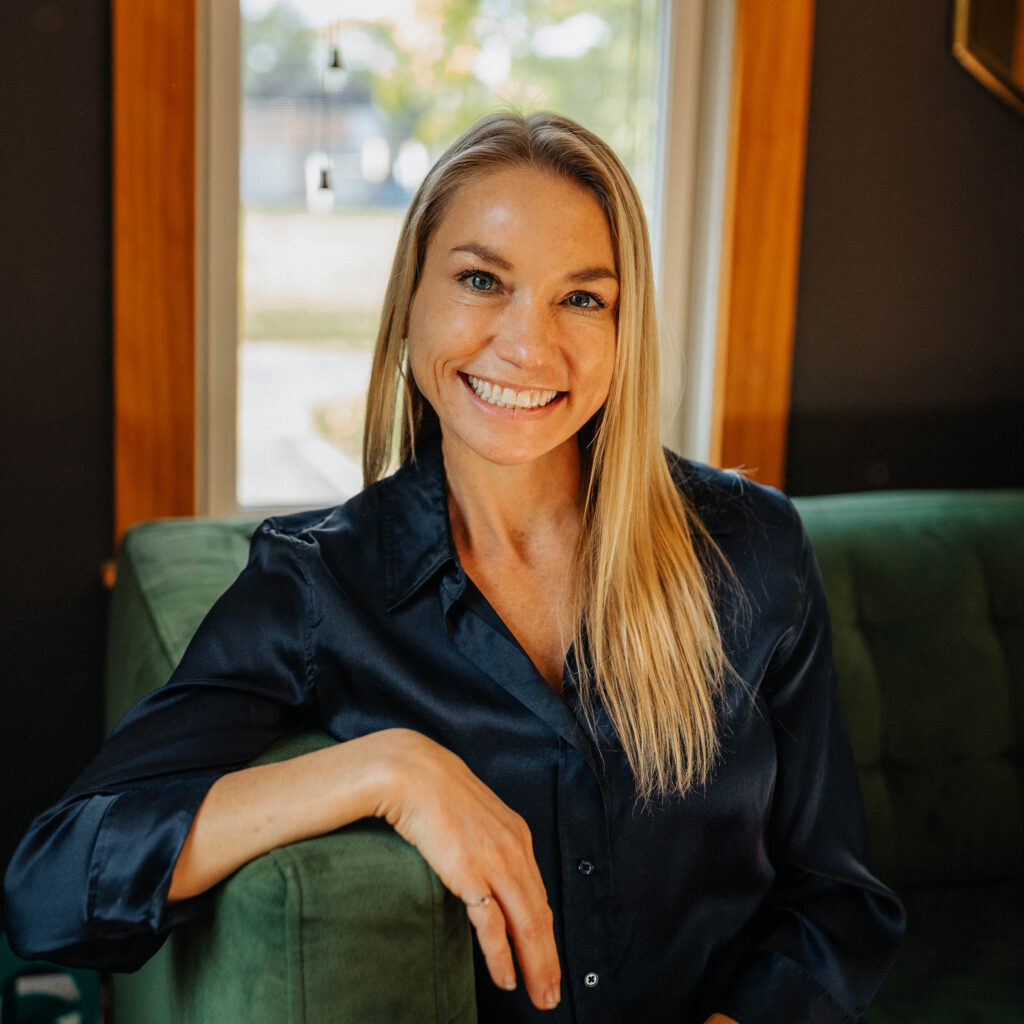
Lis Kessler Gibboney
- Anxiety & depression
- Life changes
- Codependency & relationships
- Addiction

Amanda Owen
- Couples counseling
- Individuals & families
- Discernment counseling
- Anxiety, depression, & PTSD

Kamarra Buening
- Trauma recovery
- Anxiety & depression
- Relationship & interpersonal issues
- Neurodivergence (ADHD)
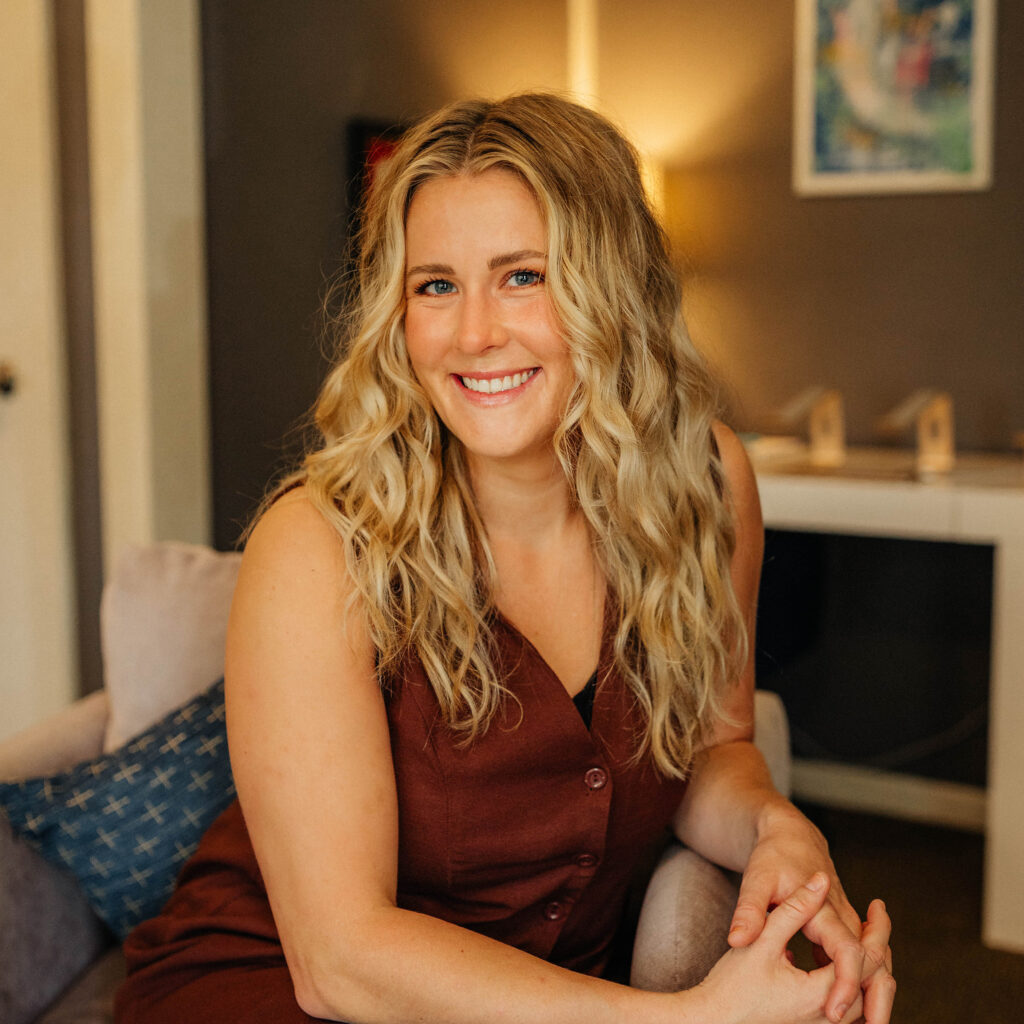
Natalie Brosius
- Eating disorders
- Addiction/addictive behaviors
- Trauma
- Interpersonal/relationship issues



Frequently Asked Questions
See below for some frequently asked questions about depression and mood disorder therapy at Northside Mental Health.
Sadness is a normal human emotion that typically comes and goes in response to life events. Depression is more persistent. It tends to linger longer, affect multiple areas of life, and sometimes doesn’t have an obvious cause. If low mood has been present more days than not or is affecting your ability to function, it’s worth talking to someone.
No. You don’t need a formal diagnosis to benefit from therapy. If you’re feeling persistently low, emotionally numb, or unlike yourself, that’s reason enough to reach out. A therapist can help you understand what you’re experiencing and what kind of support might help.
Mood disorders are a category of mental health conditions that primarily affect a person’s emotional state. This includes depression, persistent depressive disorder (dysthymia), bipolar disorder, and others. If you’re unsure whether what you’re experiencing falls into this category, your therapist can help you figure that out.
Yes. Therapy and medication can work very well together. Many people find that combining both is more effective than either approach on its own. If you’re currently working with a prescriber, your therapist can collaborate with them to ensure your care is well-coordinated. We are unable to prescribe medication.
It varies. Some people notice meaningful shifts within a few months, while others benefit from longer-term support, particularly if depression has been present for a long time or is connected to deeper patterns or experiences. Your therapist will check in on your progress regularly and adjust your plan as needed.
Yes. Everything discussed in therapy is kept strictly private. The only exceptions are legally required situations involving safety concerns, which your therapist will explain clearly at your first appointment.
When You're Ready, We're Here
Getting started is as simple as reaching out. Contact us to schedule your first appointment, and we’ll help connect you with the right therapist for what you’re going through.