
Trauma Therapy That Meets You Where You Are
Trauma can leave you feeling stuck, isolated, and held back by experiences you didn’t choose. Whether you’re dealing with recurring flashbacks, nightmares, anxiety, or a persistent sense of dread, these responses are real and treatable. Our therapists provide a safe, supportive space where healing is possible.
Our therapists provide a safe, supportive space where healing is possible. We’re here to help.

What can I expect from therapy?
- Build effective coping skills to manage trauma responses and reduce the power of triggers in your daily life.
- Develop greater emotional regulation so that stress and intense feelings become more manageable.
- Gain a renewed sense of safety, stability, and control in your life.
- Process past experiences in a way that allows you to move forward without being defined by them.
- Strengthen your ability to show up fully in your relationships and everyday life.
How do you approach treatment?
Our therapists primarily use three approaches: EMDR (Eye Movement Desensitization and Reprocessing), Brainspotting, and talk therapy. EMDR and Brainspotting are both therapeutic methods that help you process and release traumatic memories stored in the brain and body, while talk therapy provides a space to explore your experiences, build coping strategies, and make sense of what you’ve been through. Your therapist will work with you to determine which approach, or combination of approaches, is the right fit for you.
Our Trauma & PTSD Therapists

Shannon Loehr
- Life transitions/adjustments
- Relationship challenges
- Affair recovery
- Discernment counseling

Nicole Silcox
- Pregnancy & postpartum
- Eating disorders
- Trauma (EMDR)
- Anxiety & life transitions

Amanda Owen
- Couples counseling
- Individuals & families
- Discernment counseling
- Anxiety, depression, & PTSD

Kamarra Buening
- Trauma recovery
- Anxiety & depression
- Relationship & interpersonal issues
- Neurodivergence (ADHD)

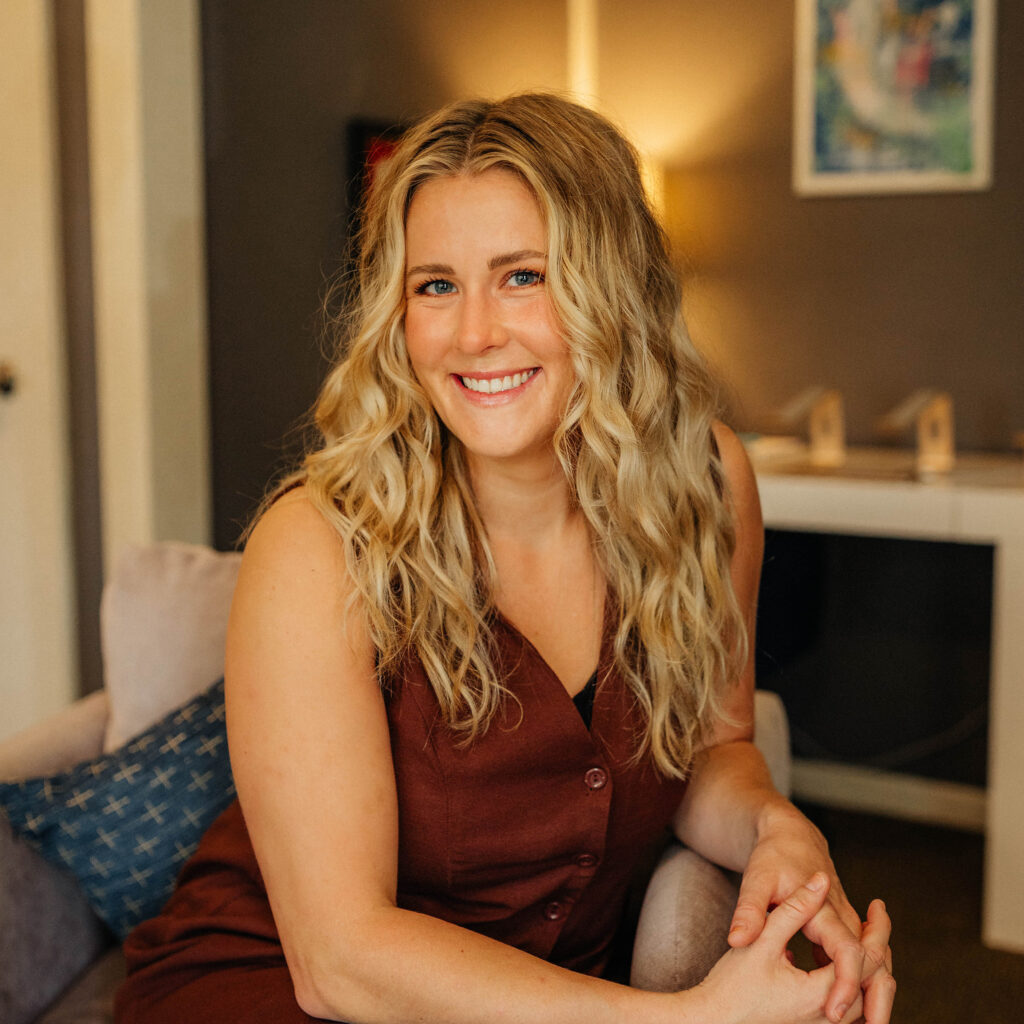
Natalie Brosius
- Eating disorders
- Addiction/addictive behaviors
- Trauma
- Interpersonal/relationship issues


Ann Marie Ravenna
- Children age 3-12
- Adult life changes
- Grief & loss
- Family/parenting support
Frequently Asked Questions
See below for some frequently asked questions about trauma and PTSD therapy at Northside Mental Health.
No. You don’t need a formal diagnosis to seek support. If you’re feeling stuck, overwhelmed, or held back by something that happened to you, therapy can help regardless of how you’d label the experience.
EMDR (Eye Movement Desensitization and Reprocessing) and Brainspotting are both evidence-based therapies designed to help you process traumatic memories that have gotten “stuck” in the brain and body. EMDR uses guided eye movements or other forms of bilateral stimulation to help your brain reprocess painful memories so they lose their emotional intensity. Brainspotting works by identifying specific eye positions that correspond to where trauma is stored in the body, allowing for deep, targeted processing. Both are gentle, effective approaches that go beyond traditional talk therapy to address trauma at its root.
Sessions last about an hour and involve open conversation with your therapist about your experiences, symptoms, and goals. Your therapist may also suggest exercises to work on between sessions to help reinforce what you’re working on together.
It varies from person to person. Some clients experience meaningful progress in just a few sessions, while others benefit from longer-term support. Therapy is flexible and shaped around your pace and goals.
Absolutely. Many people feel uncertain or even reluctant before beginning trauma therapy, especially if the process sounds unfamiliar. Your therapist will take time to explain what to expect, answer your questions, and make sure you feel ready before diving into deeper work.
Yes. Everything shared in therapy is kept strictly private. The only exceptions are legally required situations, such as concerns about safety, which your therapist will explain clearly at your first appointment.
When You're Ready, We're Here
Getting started is as simple as reaching out. Contact us to schedule your first appointment, and we’ll help connect you with the right therapist for what you’re going through.